




Debtor threatens collection attorney hours before storming Florida corporate campus, killing an employee and exposing the dangers of escalating collection disputes.
–
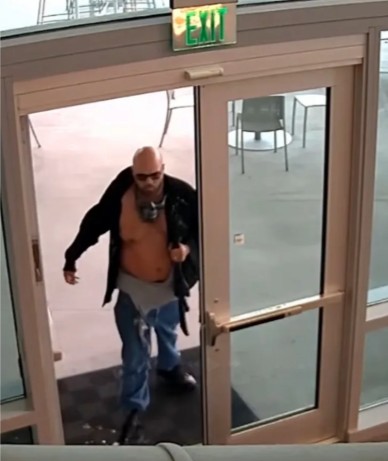
Tampa, FL – November 6, 2026 – A routine lawsuit over a $2,556 credit card balance ended in tragedy Wednesday when an angry debtor drove to a Citibank corporate campus near Tampa, Florida, crashed through a security gate and opened fire, killing a longtime bank employee before being fatally shot by an armed security officer.
What began as an ordinary consumer debt collection case quickly escalated into a deadly confrontation, despite an explicit warning to the creditor’s attorney approximately three hours before the attack.
The incident raises troubling questions for banks, credit unions, collection agencies and their attorneys about how quickly a routine collection dispute can turn violent and what can be done when a debtor makes a credible threat.

–
A $2,556 Credit Card Debt
According to Tampa Bay 28’s investigation, Citibank filed a collection lawsuit against 35-year-old Jacob Pearson of Orlando on October 23.
The complaint sought $2,556.40 allegedly owed on a My Best Buy Visa Platinum credit card issued by Citibank.
Read that again, $2,556.40.
Court records show that Pearson’s wife was served with the lawsuit at their Orlando apartment on October 29. A court hearing was scheduled for February 15, 2027.
Rather than contesting the debt through the legal process, Pearson apparently became enraged over the lawsuit.
–
An Explicit Threat Hours Before the Shooting
On Wednesday morning, November 4, Pearson called the law office contracted by Citibank to handle the collection case.
According to Hillsborough County Sheriff Chad Chronister, Pearson demanded that the court proceedings be canceled and threatened to arrive at Citibank’s offices armed with an AR-15 rifle and body armor.
The attorney’s office reported the threat, setting off a series of warnings to Citibank security and law enforcement.
Orlando police attempted to locate Pearson, while authorities in Hillsborough County were alerted to the possibility of an attack at Citibank’s Tampa-area corporate campus.
Shortly before noon, Citibank notified the Hillsborough County Sheriff’s Office of the credible threat.
Unfortunately, the warning came too late to prevent the violence.
–
A Deadly Attack at Lunchtime
At approximately 12:10 p.m., Pearson drove his vehicle through a security gate at Citibank’s Sabal Center campus, where more than 3,200 employees work.


Armed with a rifle and handgun, Pearson entered a courtyard where employees were gathering for lunch.
According to investigators, Pearson opened fire on 41-year-old Leanne Selman, a nine-year Citibank employee.
His rifle reportedly malfunctioned after several shots, prompting him to return to his vehicle for a handgun. He then shot Selman again.
Selman, who worked as a Learning Advisor for Citi Security and Investigative Services, died at the scene.
Authorities said there was no known connection between Selman and Pearson. She was apparently the first employee he encountered.
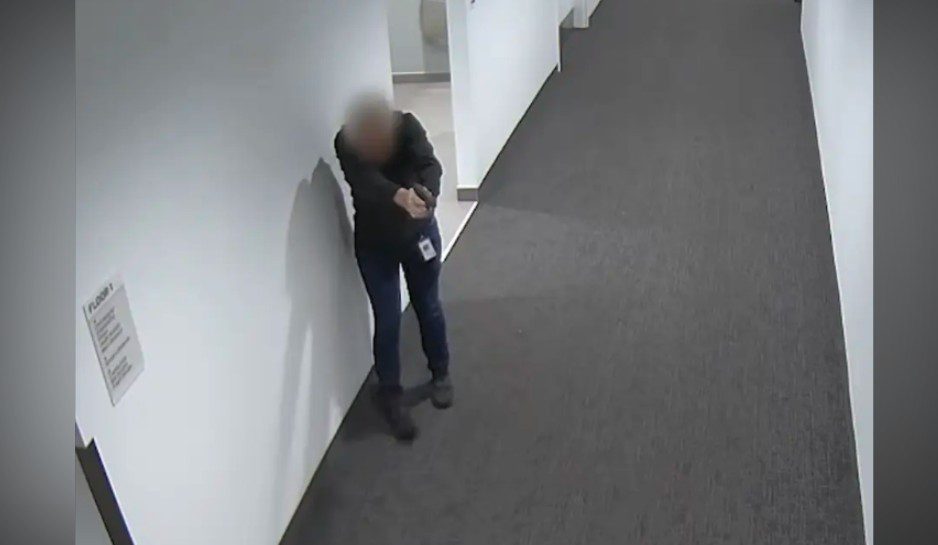
Pearson subsequently entered the building’s cafeteria, where he was confronted by John Fraley, 38, a Citibank vice president and intelligence lead analyst who also served on the company’s armed security team.
Fraley shot Pearson, ending the attack within minutes. Pearson later died at Tampa General Hospital.
Investigators reported that Pearson had brought approximately 90 rounds of ammunition to the campus.
Selman was the only employee struck by gunfire. Four others were hospitalized for minor injuries or medical concerns related to the attack and subsequently released.
In a November 5 statement, Sheriff Chronister credited Fraley’s actions with preventing additional deaths.
–
A Warning for the Collections Industry
For credit union collection departments, banks, third-party collectors and collection attorneys, this tragedy illustrates a risk that can be easy to underestimate.
The underlying debt was relatively small. The lawsuit was a routine effort to recover an unpaid credit card balance. There is no indication that Citibank or its attorneys acted improperly in pursuing collection.
Yet the debtor’s reaction was anything but routine.
What makes this case especially disturbing is that Pearson communicated his intentions before carrying them out. The collection attorney’s office reported the threat, Citibank alerted authorities, and law enforcement responded.
Nevertheless, the attack occurred before deputies could stop him.
The circumstances raise important questions about how financial institutions and their collection partners assess threats, communicate warnings and protect employees who may have no direct involvement in the underlying dispute.
A debtor threatening violence against a collector or attorney may ultimately direct that anger toward an entirely different employee or location.
For smaller financial institutions without corporate security departments or armed personnel, the implications are particularly concerning.
Collection professionals regularly deal with consumers experiencing financial distress, anger and frustration. Most disputes never escalate beyond heated conversations or hostile communications.
But when a debtor specifically threatens violence, particularly while identifying weapons or a potential target, the situation has moved well beyond an ordinary collection complaint.
–
The Cost of a Collection Dispute
Citibank’s lawsuit sought $2,556.40.
By Wednesday afternoon, a nine-year employee was dead, the debtor had been killed, thousands of employees had experienced a traumatic workplace attack, and two families were left dealing with the consequences.
The tragedy was not caused by the legitimate effort to collect a debt. Responsibility for the violence rests with the person who carried it out.
But for the collections industry, the incident serves as a grim reminder that even the most routine account can produce an unpredictable and dangerous confrontation.
The amount owed may be small. The threat should never be treated that way.
–
Historical Footnote:

The Citibank shooting bears a disturbing resemblance to another Florida tragedy. On June 18, 1990, James Edward Pough entered a GMAC collections office in Jacksonville, Florida, and opened fire, killing nine people before taking his own life. Pough had been involved in a dispute over a $6,394 deficiency balance following the voluntary surrender of his vehicle. Thirty-six years later, the tragedy serves as a grim reminder that violence arising from consumer debt disputes is nothing new.
Related Reading: The 1990 GMAC Massacre – Collections’ Darkest Day
Sources: Hillsborough County Sheriff’s Office | Tampa Bay 28 | Associated Press via CBS News
$2,556 Credit Card Debt Sparks Deadly Attack on Citibank – $2,556 Credit Card Debt Sparks Deadly Attack on Citibank – $2,556 Credit Card Debt Sparks Deadly Attack on Citibank
$2,556 Credit Card Debt Sparks Deadly Attack on Citibank – Police – Police – Repossession Violence – Repossession History – Credit Union Collections – Credit Union Collectors – Lending – Gun






More Stories
NCUA Plans $4.3 Million AI Push to Detect Fraud
Credit Repair’s Strange Business: Disparaging Lenders, Monetizing Borrowers
Fake Loans and Dead Members’ Accounts: NCUA Bans Two Former Credit Union Employees
CCUCC Honors Industry Leaders at Record-Setting Anaheim Conference
Stupid Stuff Fraudsters Buy: The $250 Million Pool Shark
Argos Risk Announces Partnership with Credit Union Loan Source