


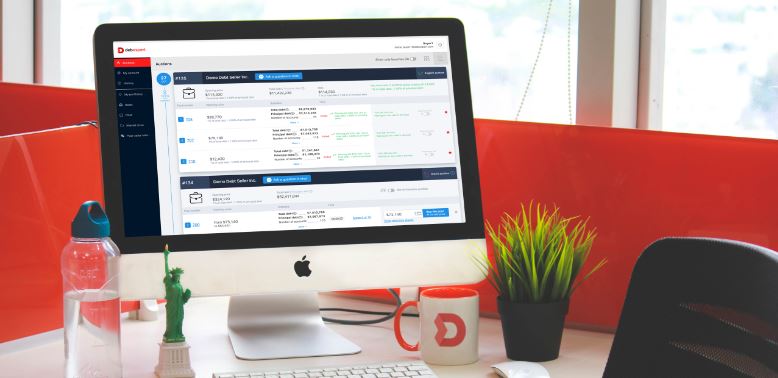
There are two models of online debt trading. Let’s call the first one the classified model. It was formed quite a long time ago and is known to many of you. Portfolios are located on the websites of debt brokers or independent companies, for which their owners are waiting for feedback from potential buyers. All of this is like selling a product on classic platforms, like Amazon. Sooner or later, there will be a client who will offer a price that suits the seller. I would highlight two disadvantages of this model. The first is that the term of realization of the portfolio on such sites may be delayed due to the complexity of its search on the internet. The debt buyer must find the right product, which can be hidden on one of the sites. But where to look for it exactly? The second problem is related to the fact that the seller of the portfolio will receive the price that the debt buyer, who eventually discovered the portfolio on the internet, will offer him.
Best Practices of Debt Sales






More Stories
Join Us at UCC 2027 – Credit Union Attendees Receive $200 Off
VINchex Lien Verification Now Available Within the Loanbridge Platform
Auto Lending 2026: State of the Union, the Repo Squeeze, and What Comes Next
From Reactive to Proactive: How a National Bank Stopped Lien Losses Before They Started with Automated Lien Verification from MBSi
Stop Wrongful Repossessions Before They Start
How a $9.5B Credit Union Doubled Auto Recoveries in 90 Days