




An investigation by SentiLink reveals an AI-powered credit repair industry where anti-bank rhetoric, customer subscriptions, and automated disputes raise troubling questions for lenders.
–
October 31, 2026 – What do you call an industry where some entrepreneurs openly ridicule the lenders their customers depend on, express little interest in personally dealing with those customers, and enthusiastically celebrate the money they make from both?
Apparently, the modern credit repair business. Or at least a revealing corner of it.
That’s one of the striking impressions left by an investigation from fraud prevention company SentiLink, whose data journalist Burt Helm attended the 2026 SmartCredit conference in Irvine, California.

Read The Original Article Here!
There, approximately 250 credit repair entrepreneurs gathered to discuss artificial intelligence, outsourced labor, social media marketing, and the extraordinary revenue opportunities available in an industry built around improving consumers’ credit histories.
The conference theme was straightforward: “MAKE MORE MONEY.”
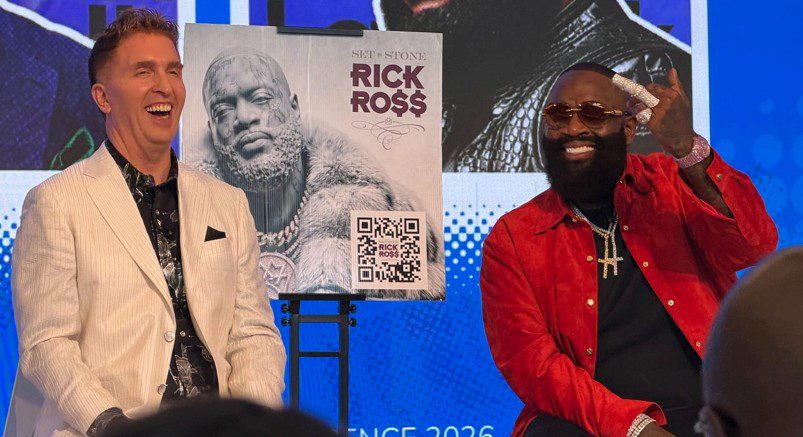
ConsumerDirect CEO David Coulter opened the event by announcing that rapper Rick Ross was ready to give banks the middle finger. Coulter later celebrated his company’s achievements with an enthusiastic “In your face, Experian!”
Yet the irony was difficult to miss.
The same financial institutions being portrayed as adversaries are essential to the credit system these entrepreneurs depend upon. And while helping struggling consumers was presented as the industry’s mission, some speakers appeared more enthusiastic about monetizing those consumers than actually interacting with them.
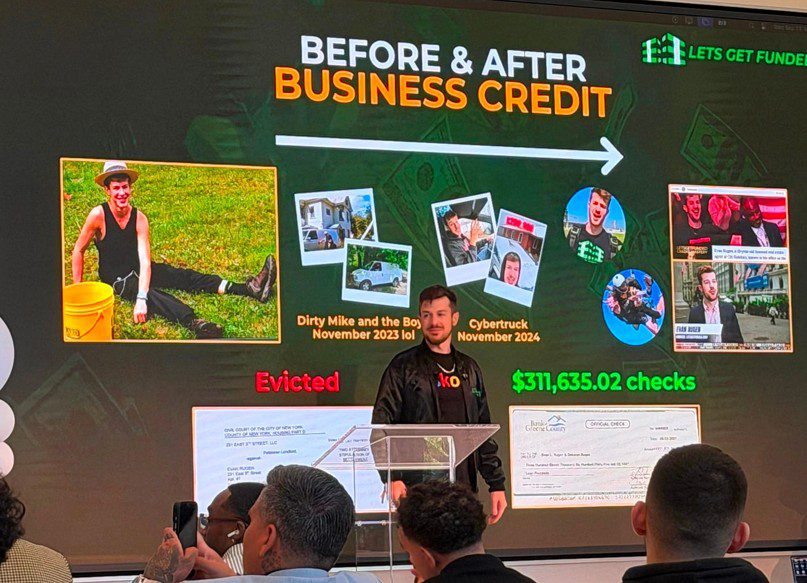
One entrepreneur, Evan Rugen, was particularly candid.
“I refuse to talk to people who need credit repair,” he told the audience.
He nevertheless described an automated operation designed to turn those very people into paying customers.
Was the hostility toward lenders genuine, or had portraying banks as villains become an effective marketing strategy? And were these businesses primarily helping financially distressed consumers, or finding increasingly sophisticated ways to profit from them?
SentiLink’s investigation doesn’t conclusively answer those questions. But its findings raise concerns extending well beyond marketing.
For credit unions and auto lenders, the more serious issue is whether this expanding industry is making it easier for dishonest borrowers to erase legitimate negative credit histories through credit washing.
–
A Booming Business Built on Disputes
According to SentiLink, ConsumerDirect, SmartCredit’s parent company, generated $128.6 million in net revenue during 2025, up 38% from the previous year. Marketing and referral-sharing costs totaled $78.4 million.
Its business model relies heavily on credit repair specialists directing customers to paid SmartCredit monitoring subscriptions, with participating specialists receiving recurring commissions.
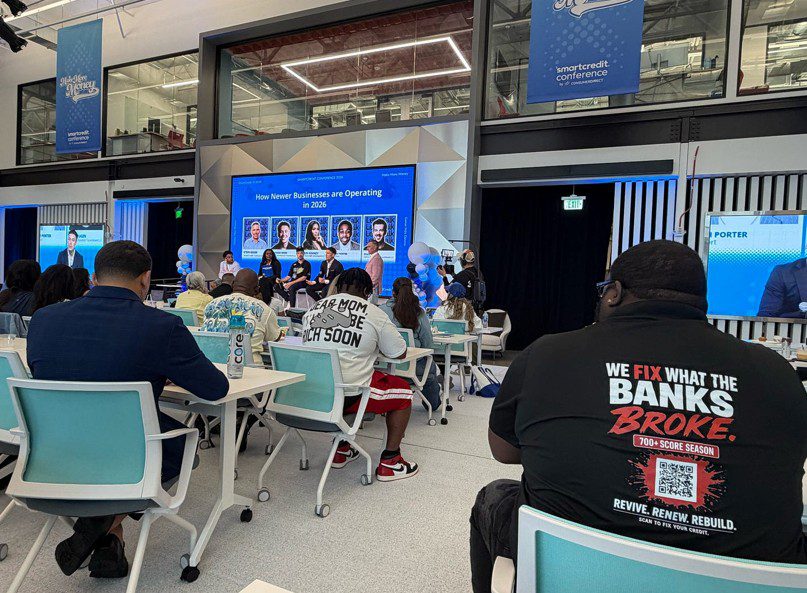
Meanwhile, credit reporting complaints have exploded.
SentiLink reports that complaints to the Consumer Financial Protection Bureau involving credit reporting rose from just over 150,000 in 2019 to approximately 5.8 million in 2025.
Many consumers legitimately dispute inaccurate credit information, and federal law protects that right. But the extraordinary complaint volume also creates opportunities for dishonest borrowers to exploit an already strained dispute-resolution system.
–
Artificial Intelligence Changes the Economics
One revealing aspect of SentiLink’s investigation involved AI and overseas workers automating credit repair operations.
One entrepreneur described generating AI dispute letters for approximately three cents each, excluding postage. Another employed 11 virtual assistants in the Philippines.
Others described automated marketing, AI-powered customer conversations, and subscription platforms that minimized personal involvement.
Rugen claimed his business generated approximately $250,000 monthly in recurring revenue from SmartCredit subscriptions and paid online communities. His AI-powered sales operation could follow up with prospective customers for months without requiring him to personally communicate with them.
When generating disputes becomes inexpensive and nearly effortless, the volume submitted to credit bureaus can increase dramatically, regardless of whether the underlying information is accurate.
For lenders, that raises a difficult question: How effectively can legitimate disputes be separated from manufactured ones when automated systems produce both?
–
Credit Washing: The Threat Behind the Growth
SentiLink’s central concern is credit washing, where borrowers or fraudsters use false disputes or identity theft claims to remove accurate negative information from credit reports.
A borrower disputing an incorrect delinquency is exercising a protected consumer right. Someone falsely claiming that a legitimate auto loan, repossession, or charged-off account resulted from identity theft is attempting to conceal an accurate credit history.
For credit unions and auto lenders, a borrower whose report no longer reflects previous defaults may appear considerably less risky than their actual history warrants.
The American Financial Services Association raised similar concerns in April, warning Congress about an immense increase in credit washing. According to SentiLink, AFSA President and CEO Celia Winslow warned that social media influencers, fraudsters, and AI-powered platforms were distorting credit scores at scale.
–
Who Is Responsible for the Disputes?
Perhaps one of SentiLink’s most troubling findings involves accountability.
According to credit repair specialists interviewed for the report, customers typically sign agreements affirming that disputed information is inaccurate.
Credit repair companies then prepare and submit disputes on their behalf, frequently making the correspondence appear to originate directly from the consumer.
By the time a dispute reaches a credit bureau, the companies, outsourced workers, and automated software responsible for producing it may be invisible.
The consumer’s signature remains, but the machinery behind the dispute does not.
At the conference, one speaker even joked about shifting liability to an outsourced dispute-service provider.
The exchange may have been lighthearted, but the question is serious: Who is responsible when a dispute contains false information?
–
Social Media Takes Credit Repair Mainstream
SentiLink also documented the growing influence of social media personalities promoting credit repair services.
Conference speakers described strategies for reaching consumers through Instagram, TikTok, YouTube, and other platforms.
Rapper Rick Ross announced a promotional relationship with SmartCredit and discussed introducing the service to his enormous social media following.
Other speakers described using automated conversations, paid online communities, and targeted advertising to turn prospective customers into recurring revenue.
There is nothing inherently improper about marketing legitimate credit repair services. But aggressive marketing, inexpensive automated disputes, and subscription incentives raise an uncomfortable question.
When businesses are rewarded for attracting and retaining paying customers, how much emphasis is placed on ensuring every dispute is legitimate?
–
What This Means for Credit Unions and Auto Lenders
The problem isn’t credit repair itself. Consumers have every right to challenge inaccurate reporting, and lenders must investigate and correct errors.
The concern is whether automated dispute operations make it easier to remove accurate derogatory information, allowing high-risk borrowers to obtain additional financing.
A cleaner credit report following multiple disputes doesn’t necessarily mean the borrower’s underlying financial circumstances have improved.
For auto lenders, where prior repossessions, charge-offs, and serious delinquencies are important underwriting considerations, that distinction matters.
Credit unions may need to examine disputed tradelines, inconsistencies in credit histories, and independently verifiable indicators of risk rather than relying exclusively on credit scores.
None of these warning signs establishes fraud by itself. The challenge is distinguishing legitimate corrections from deliberate manipulation.
–
The Bottom Line
SentiLink’s investigation does not establish that the credit repair industry is broadly fraudulent or that conference participants knowingly facilitated credit washing.
What it reveals is an industry whose technology, marketing reach, and financial incentives can also be exploited by dishonest borrowers.
Perhaps just as revealing is the contradiction running through the conference.
Some participants celebrated their disdain for banks and credit bureaus while building businesses dependent on consumers obtaining more credit. Others promoted helping financially distressed borrowers while describing systems designed to minimize personal interaction with those customers.
The result is a curious business model in which lenders can become the villains, struggling borrowers become recurring revenue, and those generating disputes may be several steps removed from responsibility for their accuracy.
For lenders already confronting elevated delinquencies, charge-offs, and fraud exposure, the possibility that accurate credit histories can be obscured through high-volume disputes introduces another layer of risk.
The question isn’t whether consumers deserve a second chance. It’s whether lenders can still reliably tell the difference between a second chance and a concealed first failure.
Source: Burt Helm, “Everyday They’re Hustlin’: Inside a Credit Repair Conference,” The Signal by SentiLink. Reporting from the 2026 SmartCredit conference in Irvine, California.
Credit Repair’s Strange Business: Disparaging Lenders, Monetizing Borrowers – Credit Repair’s Strange Business: Disparaging Lenders, Monetizing Borrowers – Credit Repair’s Strange Business: Disparaging Lenders, Monetizing Borrowers
Credit Repair’s Strange Business: Disparaging Lenders, Monetizing Borrowers – Police – Police – Arrest – Arrest – Credit Union Collections – Credit Union Collectors – Lending – Fraud – Fraud – Auto Loan





More Stories
Fake Loans and Dead Members’ Accounts: NCUA Bans Two Former Credit Union Employees
Stupid Stuff Fraudsters Buy: The $250 Million Pool Shark
The New Face of Auto Theft: Financing Fraud
STUPID STUFF FRAUDSTERS BUY: Et Tu, Fraudster?
Ally Keeps Growing as Auto Loan Delinquencies and Losses Edge Higher
When a Car Is Obtained Through Fraud, Is It Counted as Stolen?